Valve token stickers cut Major revenue for teams
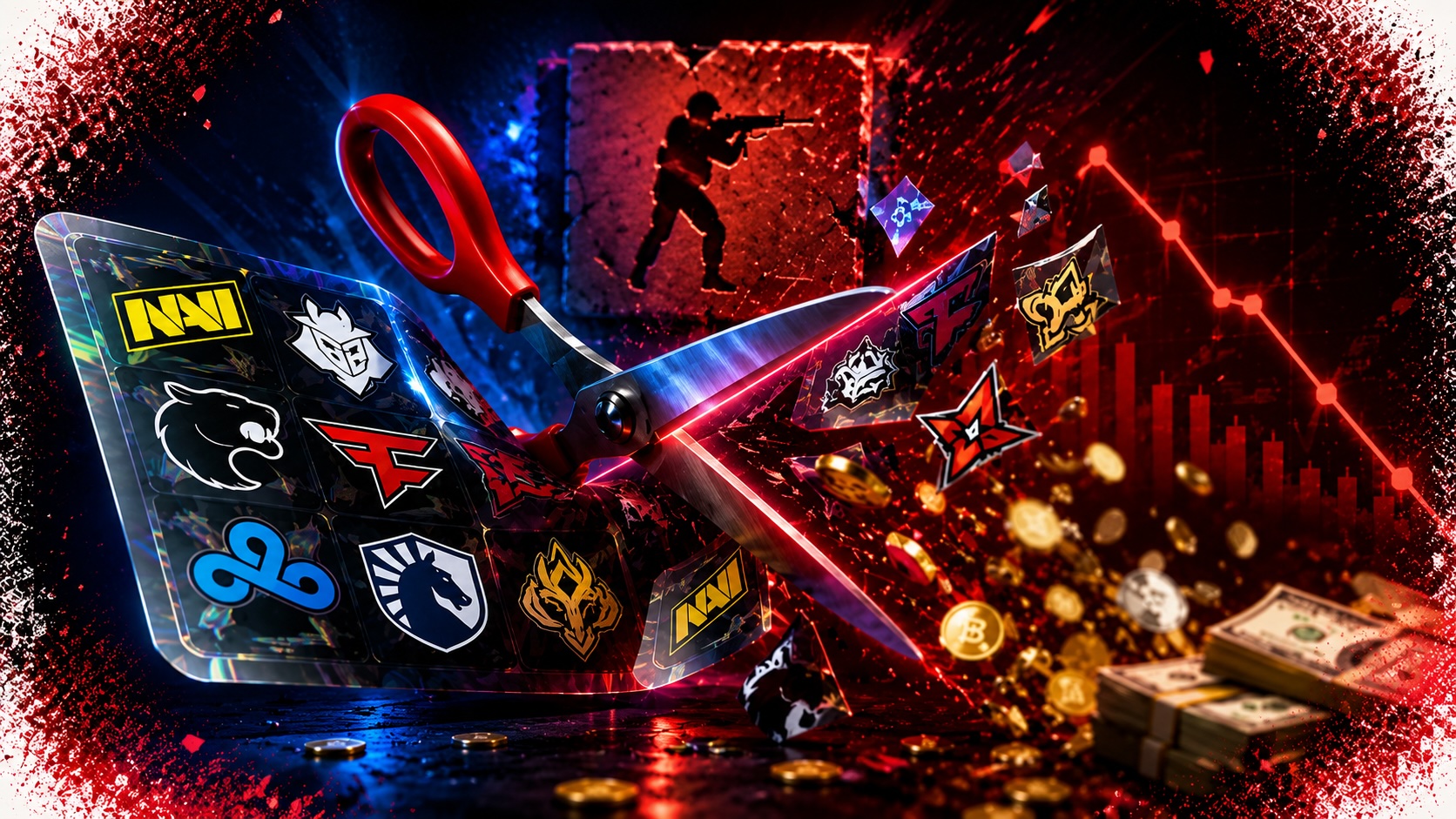
Valve replaced sticker capsules with token purchases and imposed an automatic 50-50 team-player split, sharply reducing Major sticker sales and team income.
Valve changed how Major stickers are sold ahead of the IEM Cologne Major, ending capsule unboxing and introducing tokens that buyers redeem for specific stickers at market-driven prices. The company also set a new revenue split for Major shop and pass sales: 5 percent to the tournament organizer, 45 percent shared across the 32 qualified teams based on regional standings and performance, and the remainder retained by Valve. Teams must now split their item income evenly with players.
The new token and dynamic-pricing system raised prices on popular stickers and reduced the number of lower-cost purchases that had been common under the capsule model. Organizations reported a sharp drop in trade volume for Major items and lower overall sticker revenue compared with recent events.
One team that exited in Stage 1 reported approximately $60,000 in sticker revenue, which would be $120,000 if including the players’ 50 percent share. A Stage 2 organization reported just over $120,000 in Cologne proceeds so far. By comparison, Contender sticker capsules at a prior event generated about $600,000 before any splits. A member of an organization reported later earning roughly $100 per day in sticker income after Cologne.
Moritz ‘Askadar’ Straube, co-founder of SINNERS, described the change as a ‘disaster’ and said the team’s joy at qualifying for a Major was ‘squashed’ once the sticker system details became public. SINNERS estimated it spent between $25,000 and $35,000 on travel and accommodation in the first quarter of 2026 while chasing Major qualification.
The mandated 50-50 team-player split altered financial expectations and created contractual uncertainty. Some executives expect teams to attempt to reclaim funds from players who received Valve payouts, while others expect players to claim the team portion when contracts do not specify a split. Graham ‘messioso’ Pitt, head of operations at 100 Thieves, warned that outcomes will vary and disputes are likely where contracts lack clear language.
Gaimin Gladiators announced the closure of its Counter-Strike division and cited ‘recent changes to the Major ecosystem and revenue structure’ as a reason. Smaller organizations that relied on sticker revenue to break even or fund growth said the new model reduces the incentive to invest in rosters and infrastructure. Daniel ‘Vorborg’ Vorborg, co-CEO of player agency UNCORE, noted that lower payouts reduce the upside for lower-ranked teams and could limit investment in tier-2 and tier-3 squads.
Valve has defended the changes, saying players may prefer direct purchases and that capsule models prevented purchases in some regions. The company also faces regulatory scrutiny over loot-box mechanics, a factor industry sources say makes a return to capsule unboxing unlikely.
Teams and agents are renegotiating some contracts ahead of the next Major in Singapore to account for the current system and the possibility of future changes. Industry representatives warned that reduced sticker payouts could lead some smaller organizations to cut roster funding and travel, which would affect the pool of competitive teams and developing players. For now, organizations are recalculating budgets, reconsidering transfers, and awaiting further updates from Valve before making long-term decisions about their Counter-Strike operations.
Tags
Articles by this author