BLAST director Anne Banschbach on barriers for women in esports
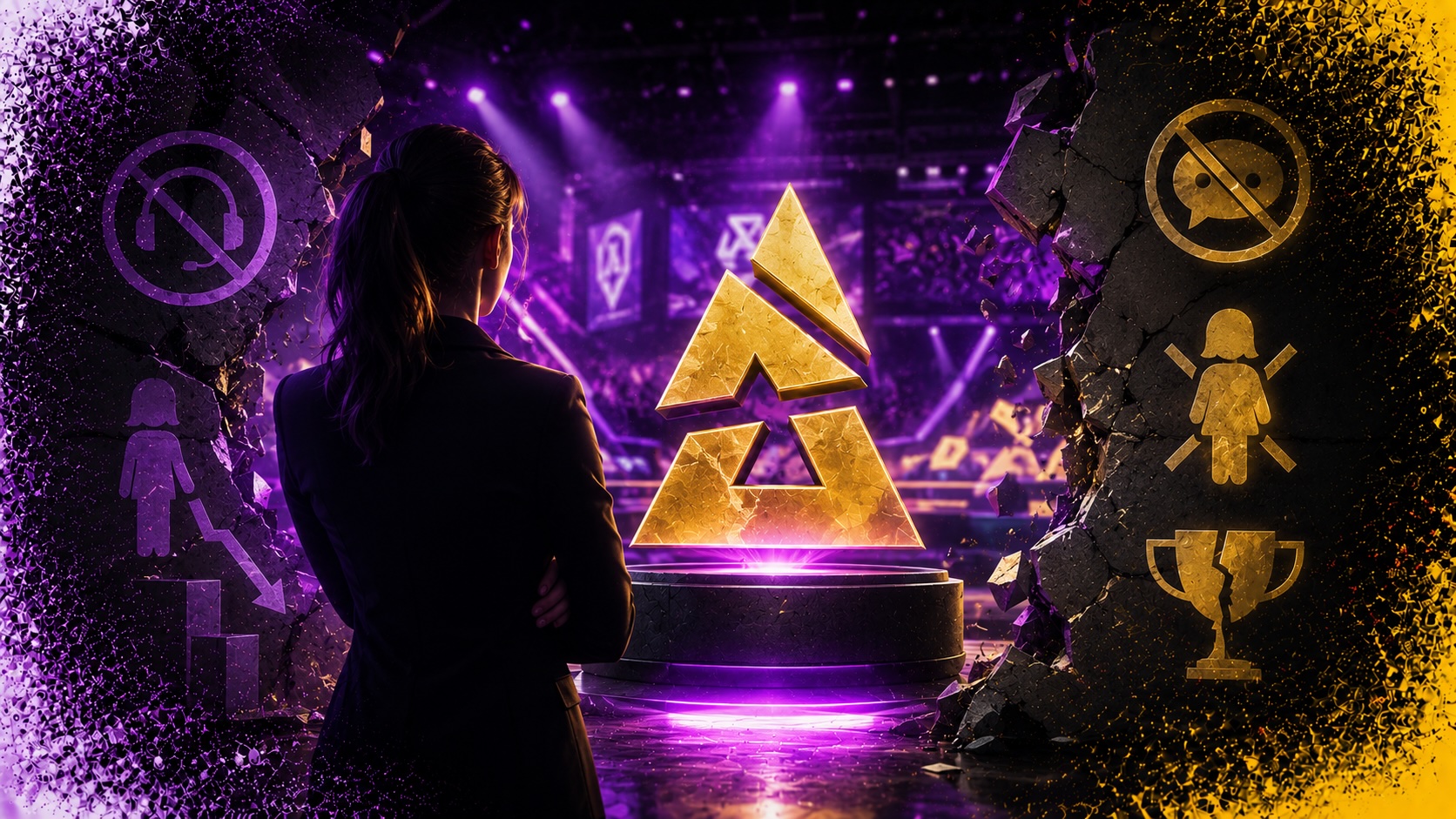
BLAST programme director Anne Banschbach said she faced scepticism as a young woman leader and described cultural and structural barriers limiting women’s roles in competitive and product areas of esports.
Anne Banschbach is BLAST’s Programme Director for the Valve and Supercell ecosystems. She joined BLAST in 2025 after nearly four years running esports operations at Team Vitality and earlier roles at G2 Esports. In a recent interview she described scepticism she encountered as a young woman in senior positions.
Banschbach recalled meetings where male colleagues with longer industry tenure struggled to accept her authority. She described having to prove competence more often than peers and used a direct example, saying she felt she had to do “twice the work and offer twice the justification” compared with male counterparts.
Her approach has focused on delivering results and on addressing inappropriate behaviour more directly over time. Early in her career she often ignored comments; with experience she now calls out misconduct and intervenes on behalf of colleagues. She urged selectivity in how and when to escalate smaller issues, while insisting major violations of personal or professional boundaries be confronted immediately. “Picking your moments is essential for long-term sustainability,” she said.
Banschbach pointed to a recurring pattern inside organisations: women are common in marketing, commercial and HR roles but are rare in product and performance roles such as team and tournament operations or senior performance staff. On the competitive side, she said women often occupy support or psychological positions rather than leadership roles.
The competitive landscape for women in Counter-Strike has changed in recent years. ESL Impact was placed on indefinite hold at the end of 2025, removing a regular circuit for female Counter-Strike teams. That pause reduced tournament opportunities and prize money and prompted some organisations to withdraw their women’s CS2 programmes. Brazilian organisation FURIA recently moved its entire CS2 women’s roster into VALORANT.
Players have reacted to those shifts. Zainab “zAAz” Turkie described fewer tournaments and top players stepping away as demotivating and said more women are opting to stream instead of pursuing professional play. She also criticised Valve for limited support for the women’s Counter-Strike scene.
Academic research has documented similar issues. A study from the Norwegian University of Science and Technology found the esports industry can be hostile to women and affected by open sexism, and that women who reach leadership roles often face barriers maintained by a predominately male culture.
There are some new initiatives to expand competition and visibility for women. Riot Games announced the Verizon VALORANT Game Changers NA Stage 2 Finals will finish with a live LAN event for the first time. Brand partnerships have included a one-off collaboration between L’Oréal Paris and FURIA, and a commercial agreement in Germany tied increased support to a women’s League of Legends roster.
Banschbach framed her account as practical rather than a complaint and encouraged women in the industry to set clear boundaries and model leadership. “Leading by example is, in my view, the most effective way to change things over time,” she said.
The content on news.white.market is provided for informational purposes only and should not be considered financial, investment, trading, legal, or tax advice. We strive to keep our news accurate and up to date, but we cannot guarantee its completeness, reliability, or absolute accuracy.
news.white.market is not responsible for any errors, omissions, or losses resulting from reliance on this content. Any actions you take based on our materials are done at your own risk. Always conduct your own research and consult a qualified specialist where necessary.
Tags
Articles by this author