Valve compares CS2 cases to Happy Meal in bid to dismiss gambling lawsuit
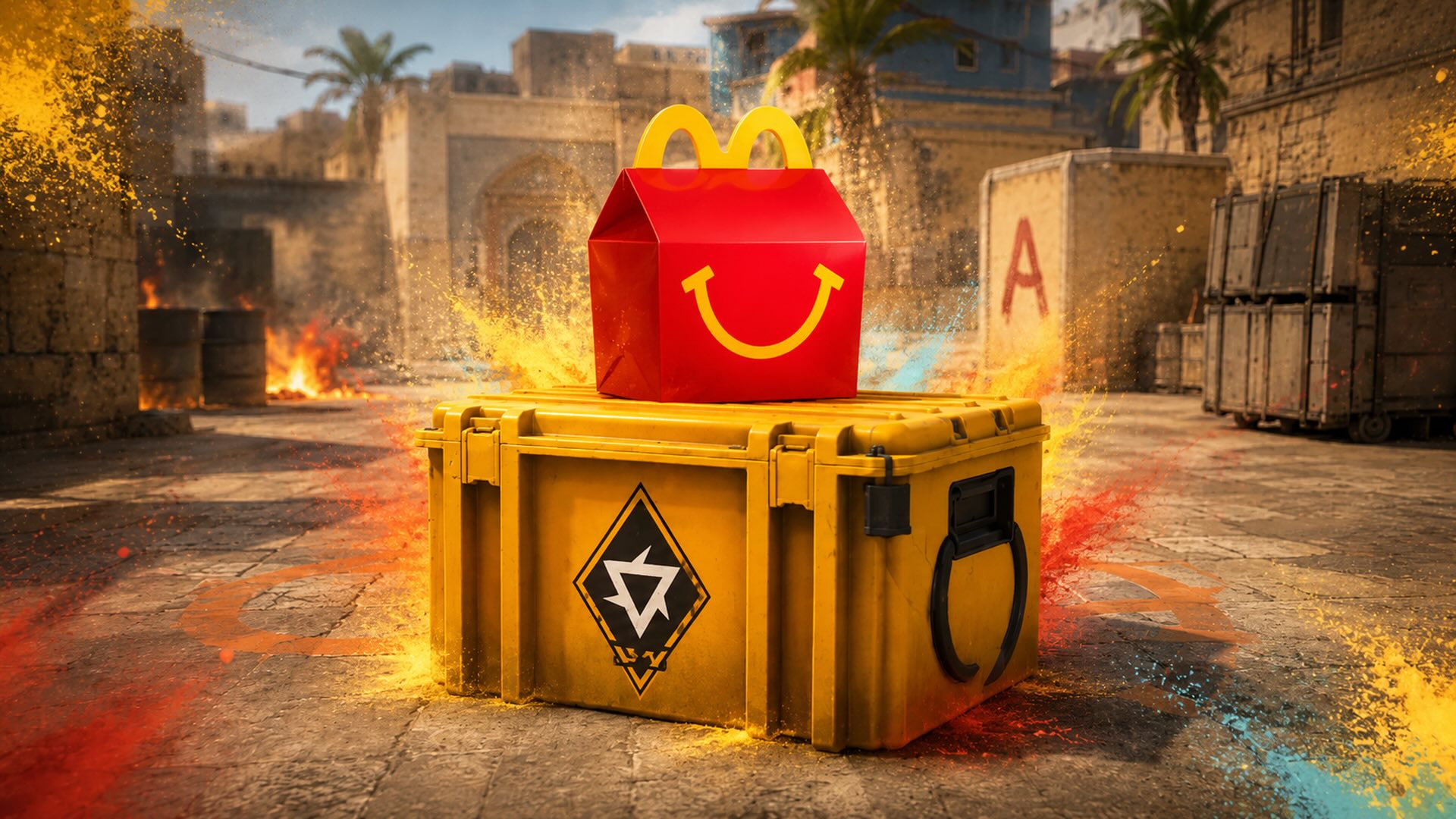
Valve has asked a New York state court to throw out Attorney General Letitia James’ lawsuit over Counter-Strike 2 loot boxes, arguing in a 42-page memorandum filed late Monday that the game’s randomized cases are lawful collectible purchases rather than illegal gambling. According to the filing, players pay about $2.50 to open a case and […]
Valve has asked a New York state court to throw out Attorney General Letitia James’ lawsuit over Counter-Strike 2 loot boxes, arguing in a 42-page memorandum filed late Monday that the game’s randomized cases are lawful collectible purchases rather than illegal gambling.
According to the filing, players pay about $2.50 to open a case and always receive one cosmetic item, known as a skin, with rarity that varies. Because an item is guaranteed, Valve contends there is no wager under New York law. “There is no ‘stake’ or ‘risk’,” the memo states. It compares the system to long-running mystery-pack sales, including baseball cards. “People enjoy surprises,” the company writes. “Part of the appeal of many popular collectibles, from baseball cards to cereal boxes, is the possibility of opening a sealed package and being surprised with a rare item. … No legislature or court has ever deemed that act illegal gambling.”
James sued Valve in February, claiming the company has profited billions by enabling children and adults to gamble for a chance at high-value skins through randomized unboxings. The complaint likens the process of how to get cases in CS2 to a slot machine and points to a robust resale market on Valve’s platform and third-party sites, where some items command thousands of dollars. A rare AK-47 skin recently sold for $1 million. The attorney general seeks treble damages tied to Valve’s alleged loot-box profits and an order that could bar sales of cases to New Yorkers.
Valve’s memo argues the state’s theory would sweep in everyday commerce involving random items and secondary markets. It cites baseball cards, Happy Meal toys, comic book grab bags, and arcade prize tickets as analogous transactions. The filing warns against criminalizing “a breathtaking amount of commonplace” conduct not expressly covered by statute and poses questions about whether families can buy trading-card packs, visit arcades that award tickets, or find surprise toys in cereal boxes.
The company maintains that skins, like traditional collectibles, draw value from user preference and scarcity, and that resale prices reflect collector demand, not gambling activity. Players, it writes, get exactly what they pay for: one cosmetic item per case, with any later resale set by buyers and sellers based on desirability.
Valve also notes the scale of the Counter-Strike item economy, estimating it at more than $4 billion. The memo states that mystery boxes have been offered across several Valve games for over a decade without objection from state regulators. “No other state has ever criminalized mystery boxes,” the filing asserts. “Valve had no reason to think its conduct was illegal.”
The company points to adjustments it has made in other jurisdictions. In Germany, Counter-Strike now shows players the specific item inside a case before they pay to unlock it, aligning with local rules. By contrast, Valve writes, it is not aware of any U.S. state that has taken the position advanced by New York.
The case is before New York Supreme Court Justice Nancy Bannon. Valve is represented by Milbank LLP.
Tags
Articles by this author