Chinese monk: meditation keeps me calm in CS2
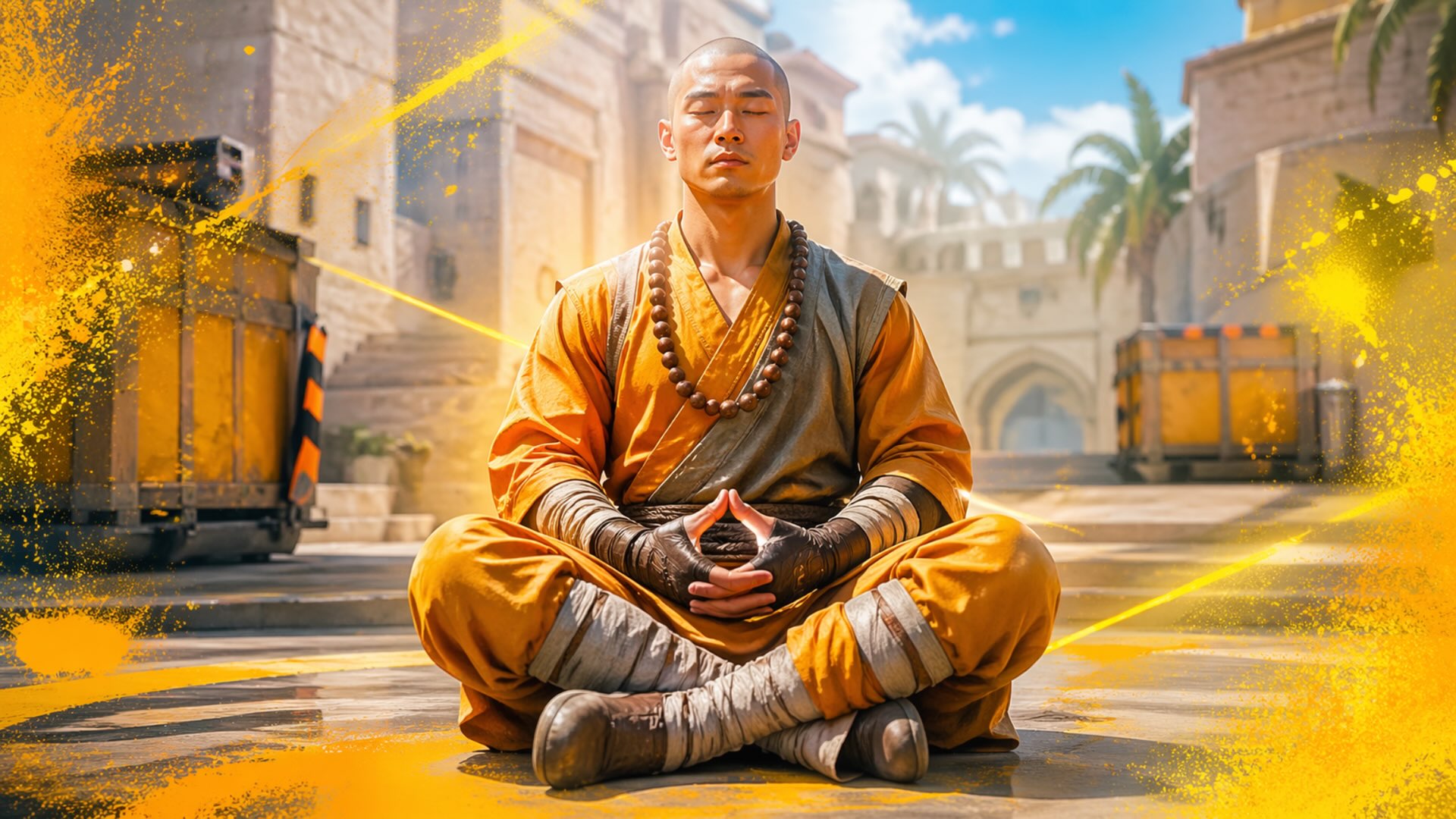
A Chinese Buddhist monk says meditation helps him avoid tilt, tolerate cheaters and find meaning while playing Counter-Strike 2, according to a translated interview posted on X.
A Chinese Buddhist monk who plays Counter-Strike 2 described how meditation helps him remain calm in ranked matches, tolerate abusive players and find social meaning in gaming, according to a translated interview posted on X. The conversation was conducted in Chinese, translated and transcribed by a native speaker who uploaded the text to the social platform.
The monk described years of mindfulness practice that he says allow him to treat anger and trash talk as temporary. He told the interviewer that the practice keeps him composed during long games and helps him focus on communication and teamwork rather than on provocation. “Don’t let a 40-minute match ruin your whole day,” he said, citing a line from Zen scripture.
He framed his approach in terms of patience and endurance. When players behave badly or when he suspects cheating, he described treating those events as beyond his control and not worth an emotional reaction. Other users who saw the translation wrote that his calm style made playing with him more pleasant.
The monk also argued that gaming can offer meaningful social interaction. He noted that people who enter religious life often give up activities that lack purpose, and said gaming provides him with shared moments, teamwork and practical skills that transfer to daily life. He pointed to improved communication, coordinated play and the satisfaction of meeting challenges as examples of benefits he finds in competitive matches.
The interview included a discussion of moral questions drawn from scripture, including whether virtual acts carry ethical weight. Using a hypothetical about Battlefield 6, he asked whether playing only as a medic who heals would count as moral behavior. “It’s simple logic. If I don’t have to do any real good deeds, don’t have to cultivate, don’t have to go through life’s trials..” he observed, and then rejected the idea that gaming provides a shortcut to spiritual progress.
Responses to the translated interview focused on the contrast between his behavior and the frequent rage in competitive queues. The translator noted the account comes from a single conversation and warned readers about potential translation errors. The monk’s statements were presented as a personal account and add to public discussion about toxicity, player mental health and how off-game practices can affect conduct inside online matches.
Articles by this author