PUBG Esports switches to TPP, expands partner teams for 2026
PUBG Esports will use third‑person perspective as its main competitive format in 2026 and expand the Global Partner Team program from 10 to 12 organizations.
PUBG Esports announced it will adopt third‑person perspective (TPP) as the primary competitive format for the 2026 season and expand its Global Partner Team program from 10 to 12 organizations.
Matches in the PUBG Global Series (PGS) will be played in TPP rather than first‑person perspective (FPP). Partner clubs will receive marketing performance incentives, a share of in‑game item revenue and guaranteed places across all 12 planned PGS events.
Suyong Park, head of PUBG Esports, said: “Professional PUBG players are not defined by perspective mode — they are, fundamentally, the strongest competitors in the game. The expertise, game sense, and mechanical skill they have built over years are not tied to FPP, nor are they diminished by a shift in perspective. Competitive integrity remains a core principle.”
Organizers said TPP changes how information is presented in matches but does not change the core demands of decision‑making, preparation and mechanical skill. They described the change as intended to make matches easier for casual players to follow and to narrow the gap between everyday play and professional competition.
The PGS will run four competitive cycles from March through December. Each cycle will include three consecutive weeks of competition — two Series weeks followed by a Series Final — creating 12 global events across the year. Regional competitions will feed into PGS and provide local broadcasts and storylines.
For the Esports World Cup, 24 teams will qualify: nine teams from first‑half PGS standings, 14 teams from Regional Series performance and one defending champion. Top Regional Series performers from the first half will be promoted to Qualified Team status for the second half of the PGS schedule. Global Partner Team slots will remain annual to provide continuity for partner organizations.
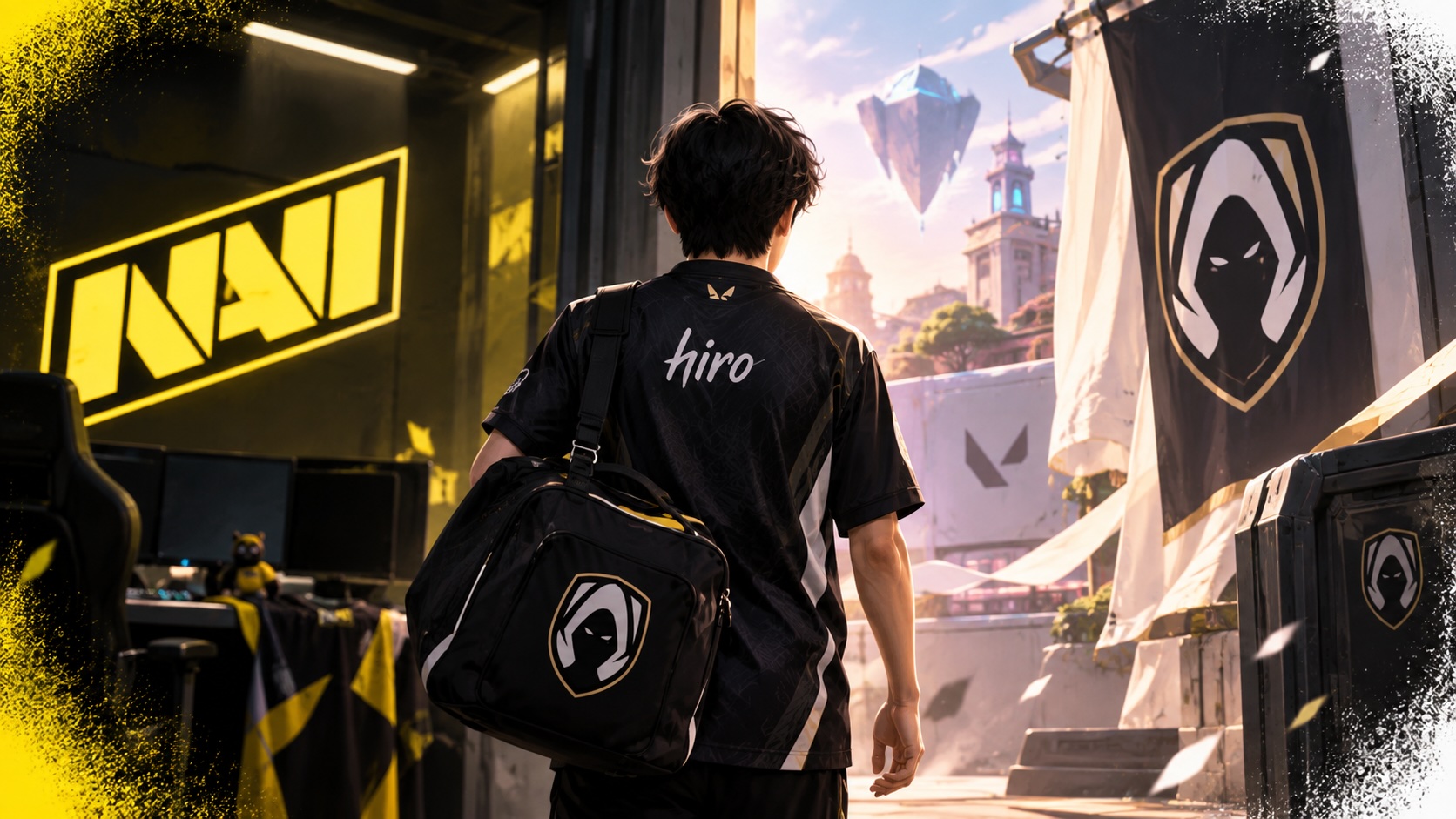
The Global Partner Team roster for 2026 includes Four Angry Men, 17 Gaming, Anyone’s Legend, DN SOOPers, Team Falcons, FULL SENSE, Gen.G Esports, eArena, Natus Vincere, Petrichor Road, Twisted Minds and Virtus.pro. PUBG said the expansion is intended to increase predictability for established organizations while keeping regional qualification paths for new entrants.
Historical viewing figures were cited as context for the changes. PUBG Esports recorded 71.27 million hours watched in 2021 and a media value exceeding $22.5 million. Hours watched fell to 29.60 million in 2023 and recovered to 45.03 million in 2025; peak concurrent viewership in 2025 reached 817,769, and media value surpassed $11.6 million.
Paul Kim, lead of esports marketing, outlined two strategic priorities: developing regionally rooted fandom through localized content and strengthening the creator and streamer ecosystem to improve accessibility between casual and competitive audiences.
Minseo Choi, lead of the Esports Management Team, explained that the Regional Series will remain the main pathway for non‑partner teams to reach global events and that the allocation for World Cup slots ensures regional results determine access. Dohyun Ahn, lead of Esports Operations, described PGS as a year‑round content engine and the PUBG Global Championship (PGC) as the season’s flagship event.
The roadmap includes plans to adapt broadcast formats for regional audiences and to integrate grassroots and creator activity into the competitive calendar. PUBG Esports will test the new format and structure at the PUBG Nations Cup in June, the Esports World Cup in July and the PGC in December, and will monitor viewership and engagement across the season.
Articles by this author